Your Check-Engine Light Is a Clue. Not a Diagnosis
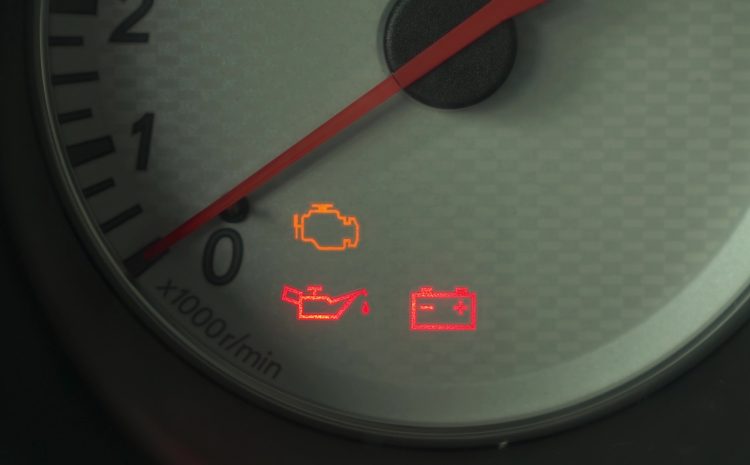
Few things can change the mood of a drive faster than seeing the check-engine light appear on your dashboard, specially when you are traveling along Mahoning Avenue, heading to work, or taking your family somewhere important.
Your vehicle may still seem to be running normally, but now there is a glowing reminder that something needs attention. You bring it to an auto repair shop, a technician connects a scanner, and a trouble code appears.
Mystery solved, right? Not quite.
A Trouble Code Tells Us Where to Begin
A common misconception about automotive diagnostics is that a scanner tells the technician exactly which part needs to be replaced. In reality, a trouble code is more like a clue. It identifies the system that detected a problem, but it does not always reveal what caused it.
Imagine your smoke alarm begins beeping. You know something triggered it, but you still need to determine whether there is smoke, a low battery, dust near the sensor, or another issue. Your vehicle’s warning systems work in a similar way. They alert us to a concern, but an experienced technician still needs to investigate.
For example, a code involving a sensor does not automatically mean the sensor has failed. The actual cause might be:
- Damaged or corroded wiring
- A loose electrical connection
- A power or ground problem
- A vacuum or fluid leak
- Another component producing an incorrect reading
- A mechanical problem affecting the entire system
Replacing the sensor without completing the appropriate vehicle diagnostic service could leave you with a new part, and the same warning light.
This Is Where Professional Automotive Diagnostics Matter
Once the code is retrieved, the technician begins connecting the clues.
That may involve checking wiring, monitoring how the vehicle behaves while it is running, testing electrical circuits, reviewing manufacturer procedures, or comparing the vehicle’s readings with what the system should be doing.
The technician is working to answer three important questions:
- What is the vehicle telling us?
- What is causing the concern?
- What repair will actually correct it?
This is the difference between reading a code and performing a complete automotive diagnosis. The scanner provides information. The technician turns that information into an answer.
Why Does That Matter to You?
Because guessing can get expensive.
If a part is replaced simply because its name appeared in a trouble code, you may pay for something that does not solve the problem. When the light returns, you lose more time, schedule another auto repair appointment, and may be asked to try another repair.
Professional automotive diagnostics help you avoid that cycle.
A Repair Based on Evidence
Testing helps confirm what failed before parts are replaced.
Greater Confidence in Your Decision
When the technician can explain what caused the problem, you can better understand the recommendation and decide how to proceed.
Less Risk of Paying for the Wrong Repair
Your money is directed toward correcting the actual failure—not testing possible solutions at your expense.
A Better Chance of Fixing It the First Time
Finding the root cause helps reduce repeat visits for the same unresolved concern.
Protection for Your Vehicle
Some problems can affect several vehicle systems. Identifying the source early may help prevent additional damage, poor performance, or the need for a more extensive engine repair.
What Are You Really Paying for?
When an auto repair shop recommends diagnostic time, it may feel as though you are paying before anything has been repaired. What you are really paying for is the expertise needed to make sure the correct repair is performed.
That includes the technician’s training, experience, professional diagnostic equipment, access to vehicle-specific information, testing time, and ability to interpret what the vehicle is communicating. While diagnostic time may feel like an upfront expense, it can help prevent wasted time and money on a repair that may or may not solve the problem.
Automotive Diagnostics in Youngstown, Ohio
At Legacy Tire & Auto Repair, our goal is not simply to turn off a warning light. We want to understand why it came on.
As a family-owned auto repair shop in Youngstown, Ohio, we take the time to test the appropriate systems, explain what we find in straightforward language, and provide clear recommendations before completing any customer-approved repairs.
If your check-engine light is on or your vehicle is behaving differently, call Legacy at 330-799-4894 or book an auto repair appointment online.
A trouble code gives us the clue. Proper testing and an experienced technician help us find the answer.