
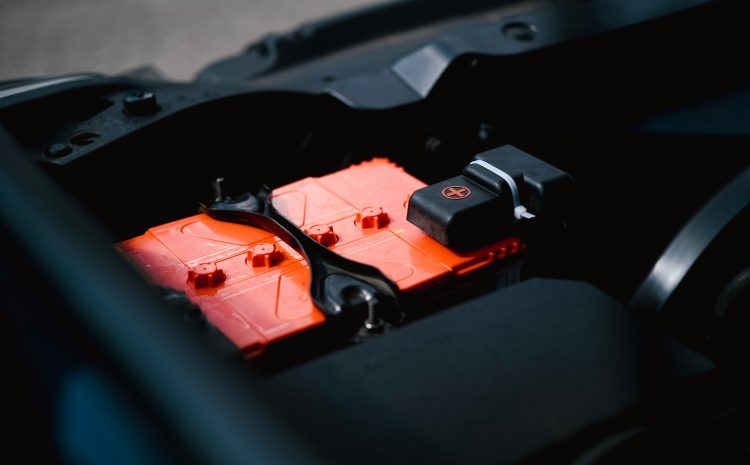
Five Signs Your Car Battery May Not Make It Through an Ohio Winter
Ohio winters can be tough on vehicles, and your car battery is no exception. As temperatures drop across Northeast Ohio, a battery that worked perfectly well during the summer may suddenly struggle to start your engine. Cold weather slows the chemical reactions inside a battery, reducing its ability to deliver the power needed to start your vehicle.
The problem is that battery trouble does not always happen without warning. In many cases, your vehicle will show small signs that the battery is weakening before it stops working altogether.
November is a good time to pay attention to these warning signs and have your battery checked before freezing temperatures become part of your daily routine. Here are five indicators that your car battery may need attention before another Ohio winter arrives.
1. Your Engine Takes Longer to Start
One of the most recognizable signs of a weakening battery is slow engine cranking.
When you turn the key or press the start button, the engine may take longer than usual to turn over. Instead of starting immediately, you might hear it crank slowly for several seconds before the engine finally comes to life.
This can happen because the battery is no longer delivering enough power to the starter motor. Cold temperatures can make the problem more noticeable because the battery has less available starting power while the engine requires more effort to turn over.
Pay attention if you notice:
- Your engine cranks more slowly on cold mornings.
- The vehicle takes several attempts to start.
- Starting becomes less reliable after the car has been sitting overnight.
- The engine starts normally one day but struggles the next.
An occasional slow start should not automatically be blamed on the battery, since starter and charging system problems can produce similar symptoms. However, repeated slow starts are a good reason to schedule a battery inspection.
2. Your Headlights and Interior Lights Look Dim
Your vehicle’s lighting system depends on a consistent electrical supply. When a battery begins losing its ability to hold a charge, you may notice changes in how some electrical components operate.
For example, headlights may appear dimmer than usual, particularly when the engine is off or idling. Interior lights and dashboard illumination may also seem weaker than normal.
You might also notice that the headlights briefly brighten when you increase engine speed. This can sometimes point to a charging system concern rather than a battery problem alone.
Other electrical symptoms worth watching include:
- Dashboard lights flickering.
- Interior lights dimming unexpectedly.
- Power windows operating more slowly than usual.
- Electronic accessories behaving inconsistently.
These symptoms do not always indicate a failing battery. Loose connections, corroded terminals, alternator problems, and other electrical faults can create similar issues.
A professional inspection can help determine whether the battery, charging system, or another electrical component is responsible.
3. Your Battery Is Getting Older
Even if your vehicle starts without difficulty, the age of your battery is worth considering.
Most conventional car batteries have an average service life of around three to five years, although actual lifespan depends on driving habits, climate, battery quality, and vehicle requirements.
Frequent short trips, extended periods without driving, and repeated exposure to extreme temperatures can all affect battery life.
If you cannot remember when your battery was last replaced, check its manufacturing or installation date. Some batteries have a date code printed on the label, while others may have a service sticker indicating when they were installed.
An older battery is not automatically a bad battery. However, once it approaches the later part of its expected service life, regular testing becomes especially important.
This is particularly relevant before an Ohio winter. A battery that performs adequately in mild weather may struggle when freezing temperatures arrive.
Having its condition tested in November can help you determine whether it is still performing reliably or whether replacement should be considered.
4. You Notice Corrosion or Damage Around the Battery
A quick look under the hood can sometimes reveal visible signs of battery trouble.
Check the battery terminals and surrounding area for white, bluish, or greenish buildup. This material is typically corrosion, which can interfere with the electrical connection between the battery and the vehicle.
Other things to look for include:
- Loose battery cable connections.
- Cracked or damaged battery casing.
- Signs of leaking around the battery.
- Unusual swelling or bulging of the battery case.
- Heavy corrosion around the terminals.
A damaged or swollen battery should be inspected promptly. Do not attempt to handle a leaking or visibly damaged battery yourself.
Corrosion can sometimes be cleaned, but it is important to identify why it developed and confirm that the battery and connections are still in good condition.
A technician can inspect the terminals, cables, and battery itself to determine whether cleaning, repairs, or replacement are necessary.
5. Your Vehicle Has Been Having Repeated Electrical or Starting Problems
Sometimes battery trouble shows up through a combination of symptoms rather than one obvious warning.
You may find that your vehicle starts normally after a longer drive but struggles again the following morning. Perhaps the battery seems to lose its charge after the car has been parked for a day or two.
These recurring problems can indicate that the battery is no longer holding a charge properly.
However, there are other possible explanations. An alternator that is not charging correctly may leave the battery undercharged. A parasitic electrical drain can also slowly use up battery power while the vehicle is switched off.
If you have needed multiple jump-starts recently, it is worth having the entire starting and charging system inspected instead of repeatedly charging the battery and hoping the problem goes away.
Finding the underlying cause can help prevent the same inconvenience from happening again.
Why Cold Weather Makes Battery Problems Worse
Car batteries rely on chemical reactions to produce electrical energy. When temperatures fall, those reactions slow down, reducing the battery’s ability to deliver power.
At the same time, cold engine oil becomes thicker, which increases the effort required to turn the engine over. This means your vehicle may need more starting power at precisely the time your battery has less available.
That combination can expose a battery that was already getting weak.
For drivers in Youngstown and throughout Northeast Ohio, November is an especially useful time to check battery condition. Waiting until the first extended cold spell could mean discovering a problem when you least want to deal with one.
How to Help Your Car Battery Last Longer
Although no battery lasts forever, a few sensible habits can help reduce unnecessary strain.
Avoid leaving electrical accessories running: Turn off headlights, interior lights, and other accessories when the engine is not running.
Take care of loose connections: Battery cables should be secure, and terminals should remain free of excessive corrosion.
Limit repeated short trips when possible: Very short drives may not give the alternator enough time to replace the energy used during starting.
Keep up with battery testing: If your battery is several years old, periodic testing can help identify declining performance before it becomes a starting problem.
Pay attention to warning signs: Slow cranking, dim lights, and repeated starting difficulties should not be ignored.
These habits can help, but they cannot restore a battery that has reached the end of its useful life.
Have Your Battery Checked Before Ohio’s Coldest Weather Arrives
A dead battery can quickly disrupt your morning commute, holiday plans, or everyday errands. Fortunately, many battery problems show warning signs before the vehicle stops starting altogether.
If your car has been slow to start, your lights seem dimmer, or your battery is several years old, now is a good time to have it inspected.
Legacy Tire & Auto Repair can help drivers in the Youngstown area check their vehicle’s battery condition and identify potential starting or charging system concerns. Schedule a battery inspection before winter temperatures put additional strain on your vehicle.